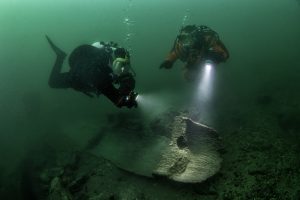

Pajeta - Coexistence in the balance of the Sečovlje salt pans
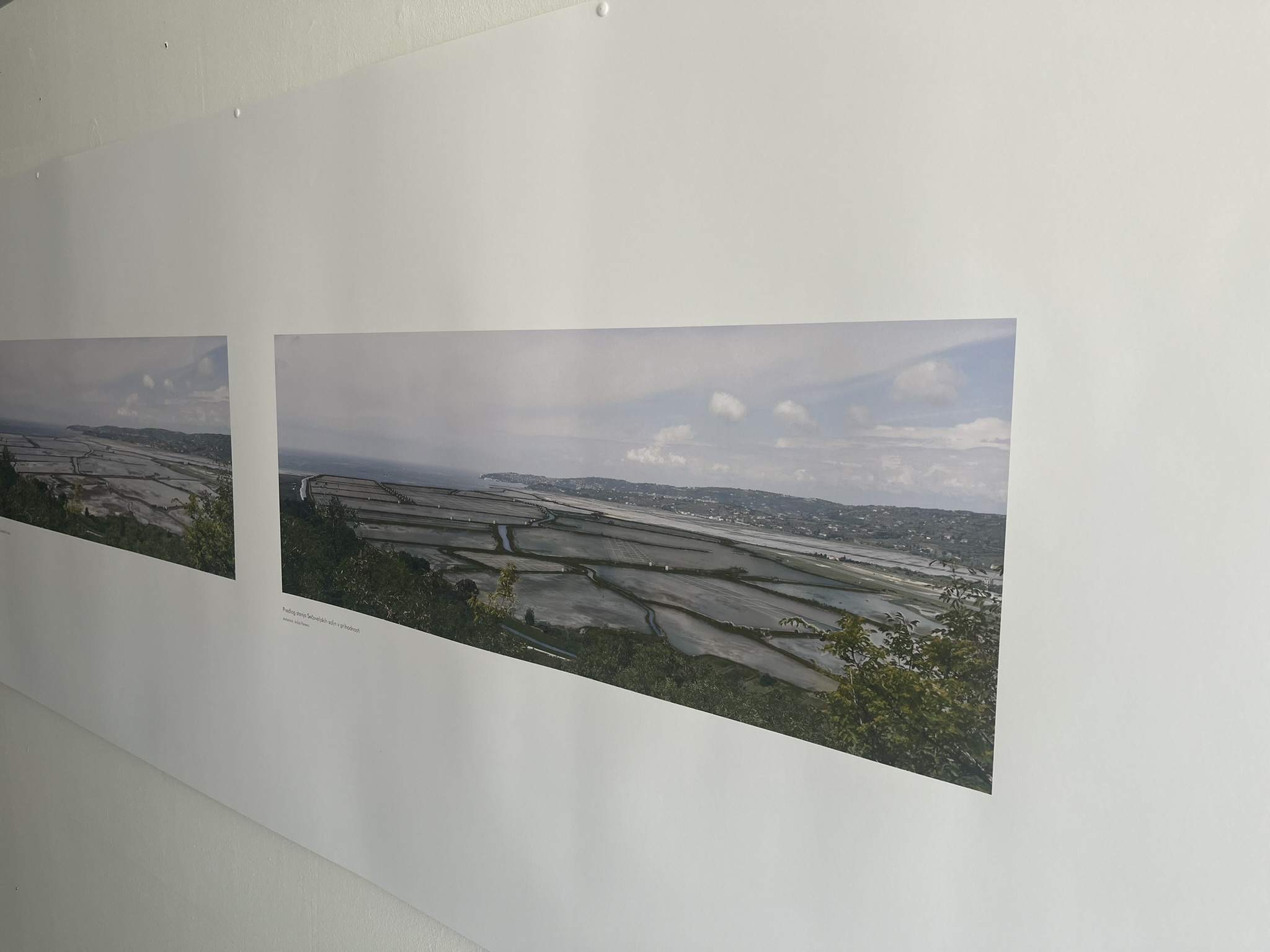
The present exhibition is focused on the search for visions for the protection of cultural landscape heritage, conditioned by historically based economic use. The challenge before us is to provide an answer to how to restore an economic balance to the cultural landscape in the medieval part of the salt pans, which is a fundamental habitat for rare species of flora and fauna. Last but not least, the salt marshes are increasingly exposed to the destructive power of inland and sea flooding. The climate crisis is also a cultural crisis that cannot be ignored.
The exhibition was opened on Friday, 7 June by Matevž Čelik Vidmar, Secretary at the Ministry of Culture. The audience was addressed, among others, by Mag. Miran Gajšek, Secretary of the Ministry of Natural Resources and Spatial Planning, and Jernej Hudolin, Director General of the ZVKDS - here is the speech of the latter.
Salt farming is an example of the perfect coexistence and co-existence of nature and man, a link that connects us as a human community and at the same time makes us meaningful. Nature constantly reminds us of the importance of balance, respect and gratitude, and the salt workers knew this all too well.
The Long-leaved Heron has been in the minds of salt growers for as long as they can remember, as knowledge of the usefulness of this relatively unknown plant for weather forecasting has been passed down from generation to generation. Even today, in our efforts to ensure that the skills and heritage of the saltpanner do not fade into obscurity, we draw inspiration from the historical knowledge of saltpanners that man and nature complement each other. Most important for understanding the universal creative power of salination is the realisation that salinarians truly carry nature within them.
On the other hand, cultural heritage is a rich tapestry of human creativity, knowledge, beliefs and traditions. It is a collective memory that connects us to the past and gives us an identity. In many ways, our cultural heritage is a reflection of the natural world that surrounds us.
The Soline Islands are distinguished by their outstanding landscape and architectural value, which co-creates Slovenia's national identity. The world of geometric landscapes - transformed nature - is most effectively protected by ensuring or enabling the uses for which a cultural landscape was created. The preservation of the historical dynamics of the area requires at least partial preservation of traditional salt production and the revival of salt production. It should be borne in mind that it was the salter who, through his thoughtful interventions in nature, helped to shape the area and thus also created the conditions for salt-loving plants.
The cultural heritage of the salt pans should not be seen in the light of burdens and expenses, but as an invaluable potential in the fields of ecology, culture, economy, social, science and society. To this end, the 'white gold' production area simply needs to be provided with an appropriate management framework and organisational structure that will promote the historical balance of the area, operate in an economically sustainable manner and enhance the values of the area and, on the basis of these values, expand and develop its ecological and heritage potential.
The preservation of cultural heritage is based on an understanding of the millenary development of the specific salt marsh area, based on human transformation and continuous human involvement, and therefore it is necessary to ensure the possibility of traditional salt marsh farming, thus preserving the tangible and intangible heritage of the salt marshes, and preserving the specific salt marsh ecosystem.
Ladies and Gentlemen, in conclusion, natural and cultural heritage are not just legacies of the past, but are the foundation for the future. It is our responsibility and honour to preserve and respect them.
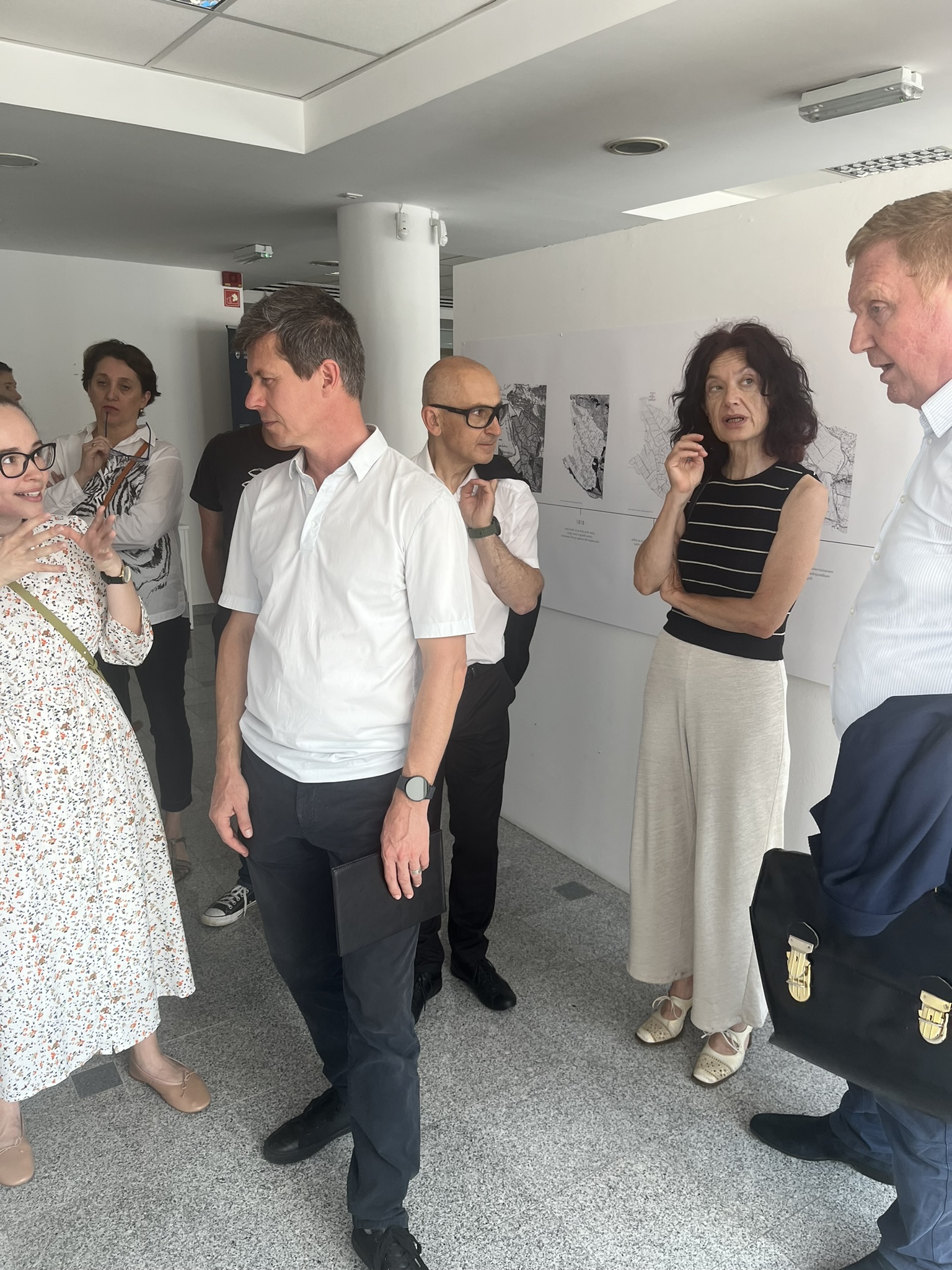
Impressions from the opening
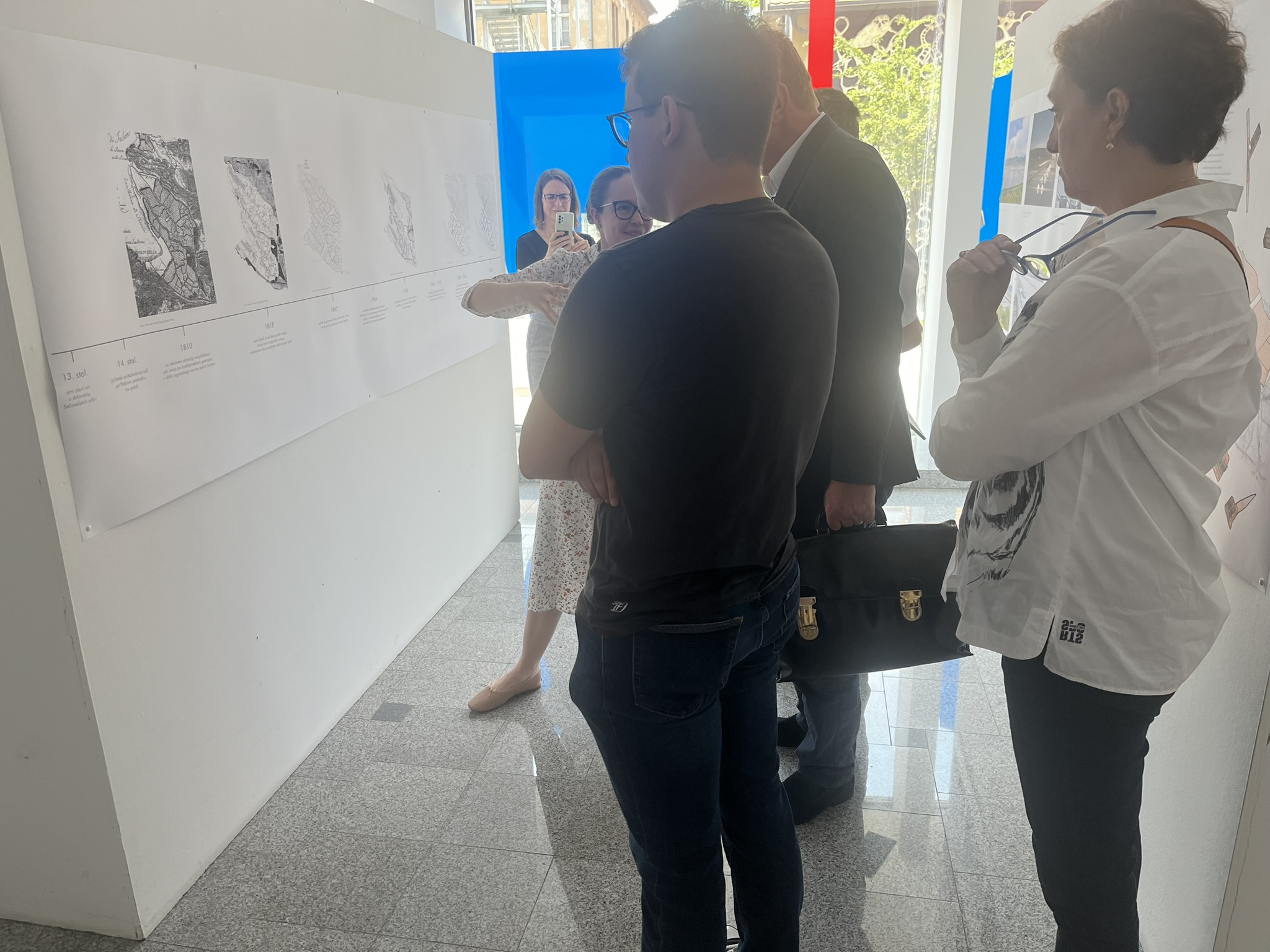
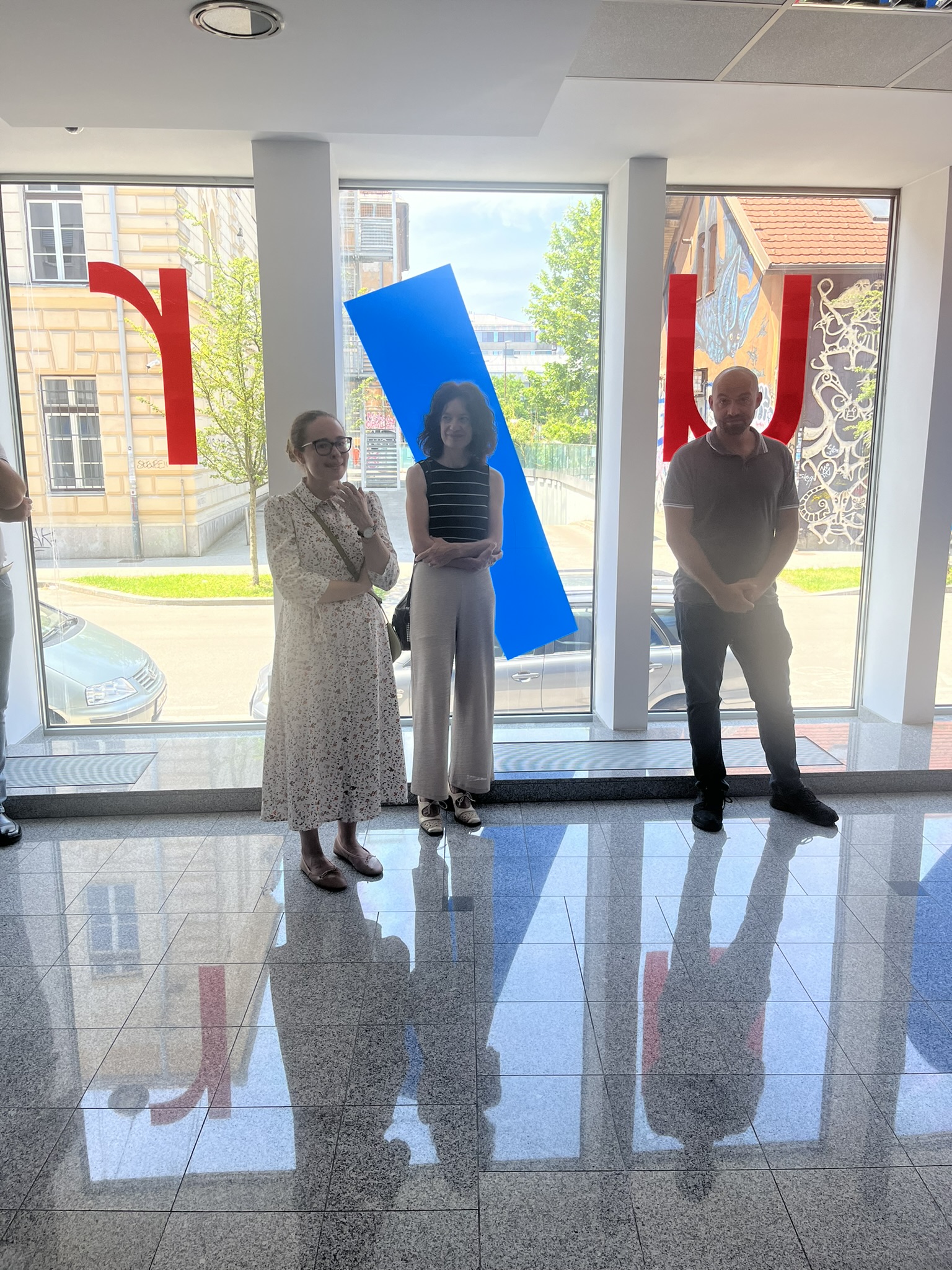
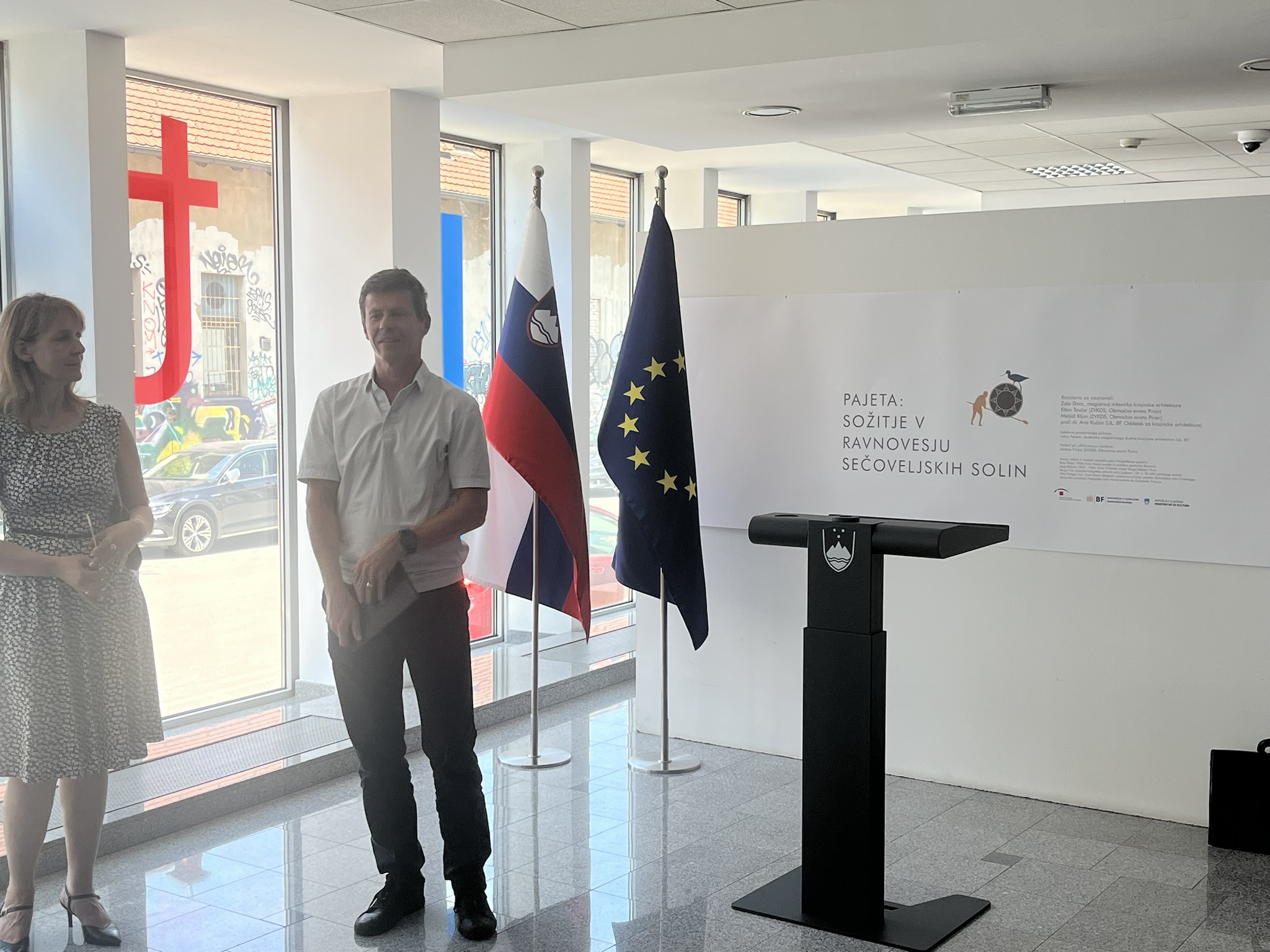
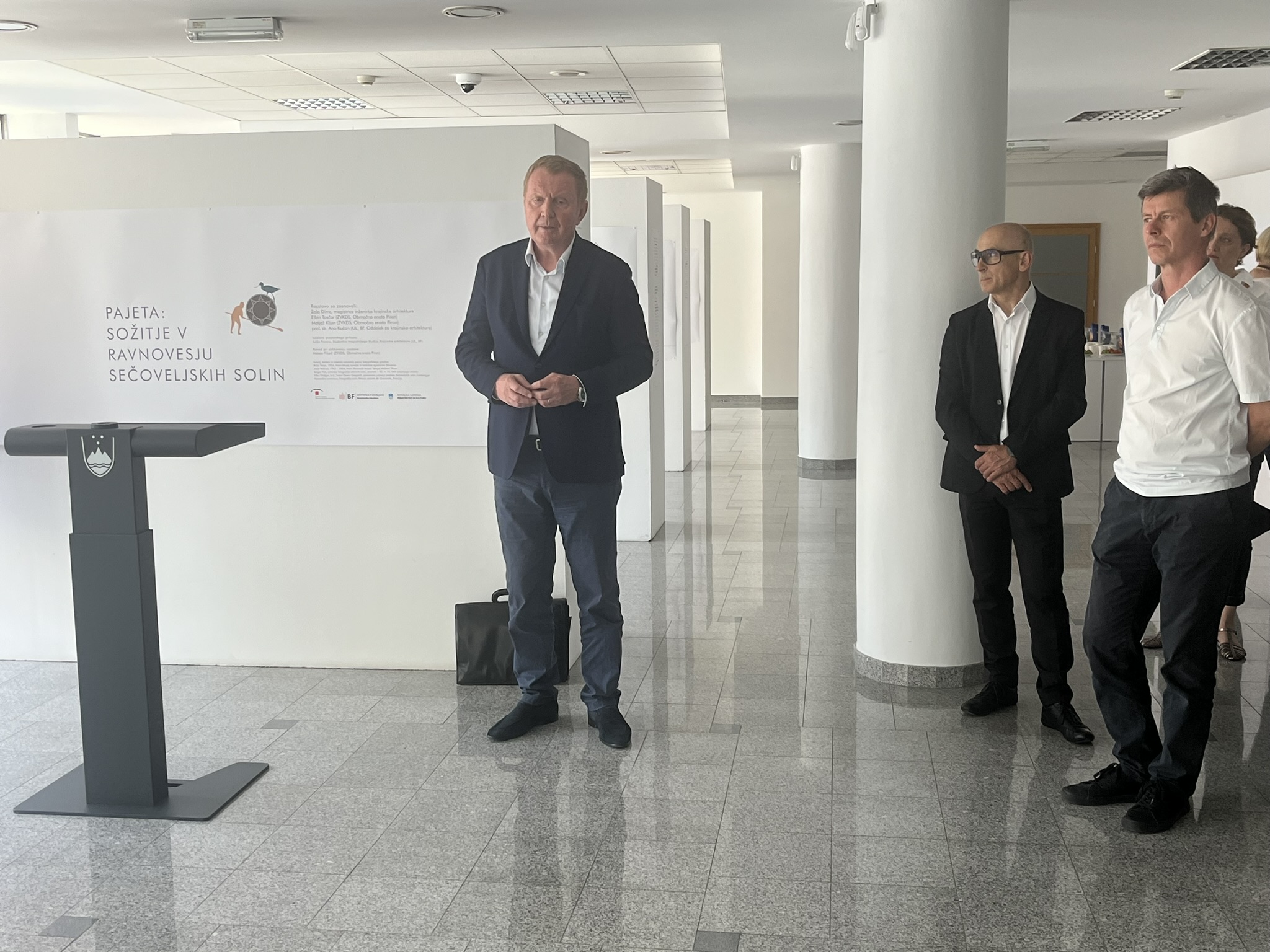
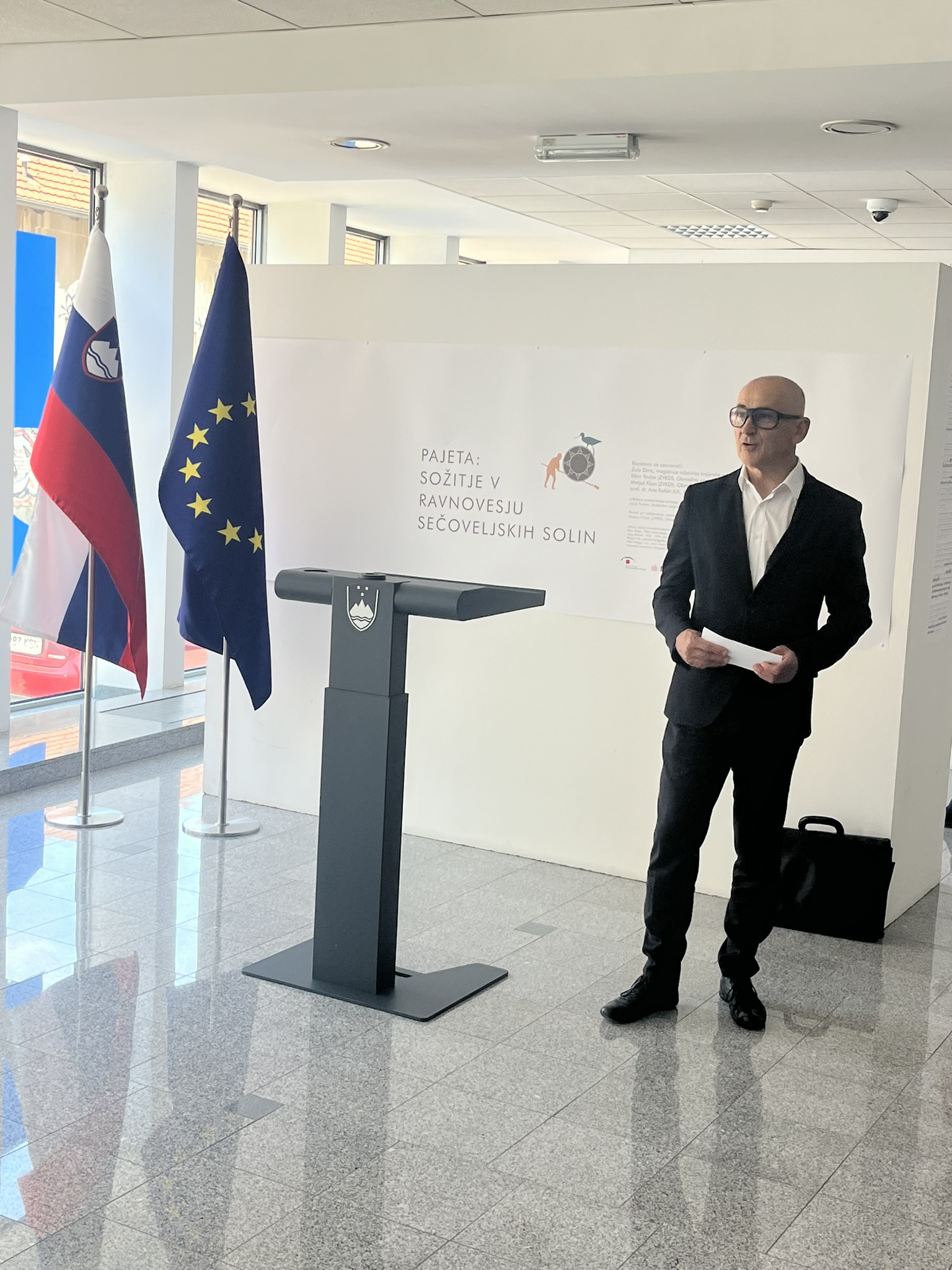
The exhibition is on display in the lobby of the Ministry of Culture until further notice. You are cordially invited!


